
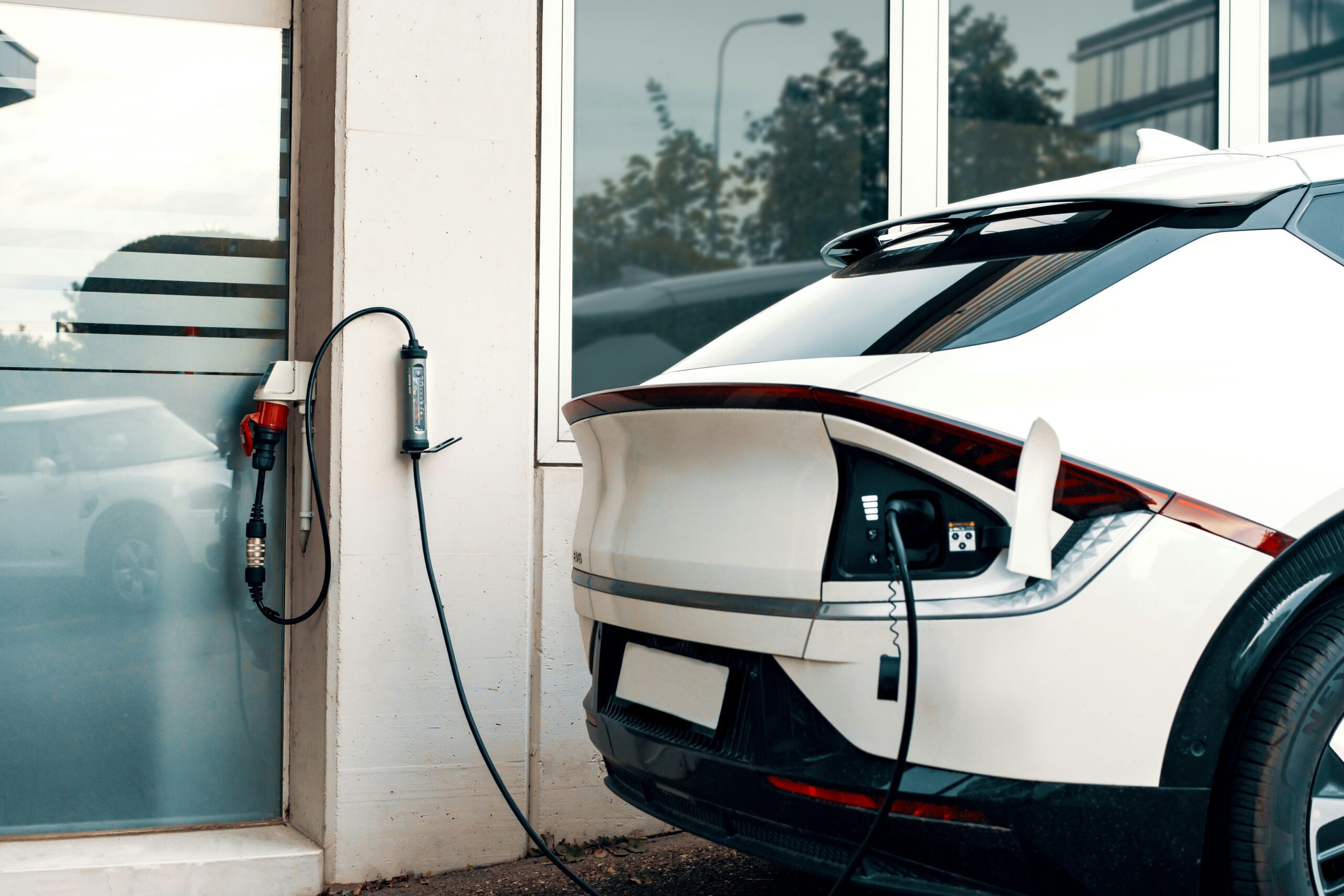
Introduction to Electric Car Charger Installation
The rise in electric vehicle (EV) adoption has transformed the automotive landscape, as more consumers seek environmentally friendly alternatives to traditional gasoline-powered cars. With this shift, the necessity for efficient vehicle charging solutions at home has become increasingly evident. Electric car charger installation has gained prominence as a critical component of the EV ownership experience, providing convenience and accessibility for users.
Dedicated Electric Line to Your Charging Station
Installing a dedicated home charging station not only simplifies the process of powering your electric vehicle but also offers a range of benefits. A home charging solution allows owners to charge their EVs overnight, ensuring that the vehicle is ready for use each day without having to seek out public charging stations. This is particularly beneficial in regions where charging infrastructure may still be developing. Furthermore, having a 240-volt outlet for electric car charging enables faster recharging times compared to standard outlets, making it a more efficient option for EV owners.
Before You Go Electric Car Shopping
Before installing an electric car charger, homeowners should keep a few things in mind. Check if your home’s electrical system can handle it—some homes might need upgrades, so it’s good to consult an electrician. Pick a spot for the charger that’s easy to access and meets safety rules. Also, look into different chargers since they vary in speed and work with different car models.
Thus, with the increasing prevalence of electric vehicles, it is imperative for potential EV owners to understand the importance of an efficient home charging solution and the necessary steps to undertake a successful electric car charger installation.
Types of Electric Car Chargers
When it comes to electric car charger installation at home, understanding the different types of chargers available is essential for homeowners seeking efficient vehicle charging station solutions. Primarily, there are two commonly used types of chargers: Level 1 and Level 2. Each type serves specific needs and offers distinct advantages.
Level 1 chargers typically connect to a standard 120-volt household outlet. This is often as simple as plugging the charging cable into any standard outlet, making it the most accessible option for many homeowners. However, this convenience comes with slower charging speeds; it generally adds about 2 to 5 miles of range per hour of charging. Consequently, Level 1 can be sufficient for individuals who drive less frequently or have overnight charging capabilities. However, it may not meet the needs of those who require a faster turnaround for their battery.
Level 2 chargers on the other hand, Level 2 chargers require a 240-volt outlet for electric car installation, similar to what is used for large appliances like dryers. This increased voltage allows for significantly faster charging speeds, often providing about 10 to 60 miles of range per hour, depending on the specific charger and vehicle. This can be particularly beneficial for households with multiple electric vehicles or for those who rely on their vehicles daily. Furthermore, many Level 2 chargers offer features such as smart technology, enabling users to monitor and control charging via mobile applications.
Ultimately, the choice between Level 1 and Level 2 charging solutions comes down to individual circumstances, including driving habits, availability of electrical infrastructure, and the specific electric vehicle model being used. Homeowners are encouraged to assess their needs carefully to determine which type of charging station aligns best with their lifestyle.
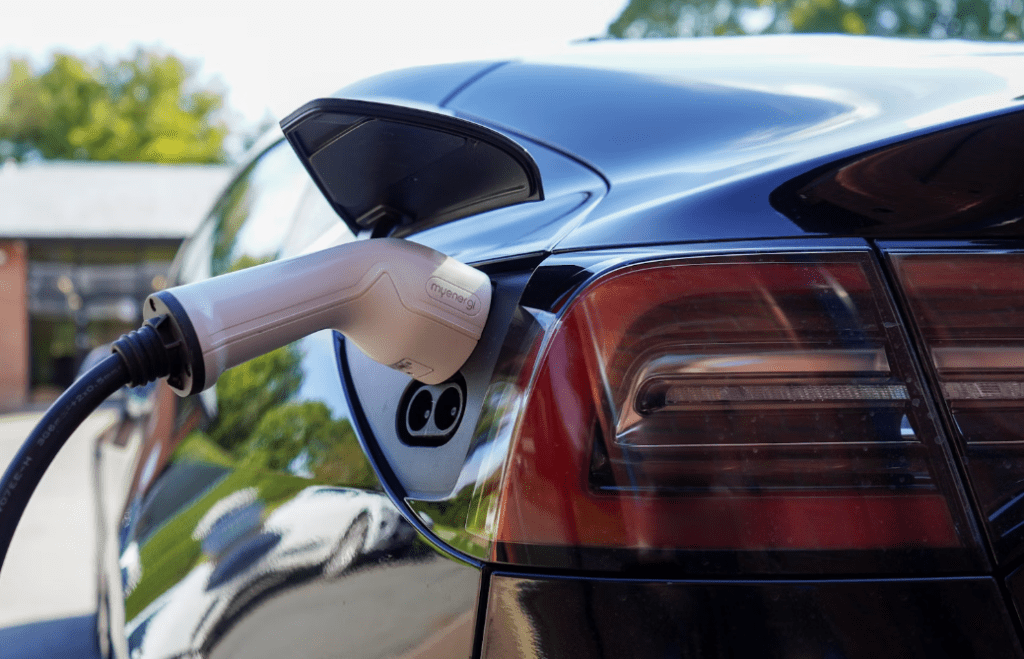
Benefits of Installing an EV Charger at Home
Installing an electric car charger at home offers numerous advantages that can significantly enhance the convenience and cost-effectiveness of owning an electric vehicle (EV). One of the most compelling benefits is the cost savings associated with home charging compared to purchasing gasoline for traditional vehicles. Charging your EV using a 240-volt outlet for electric car application can prove to be substantially cheaper, particularly when using off-peak electricity rates. Over time, these savings can accumulate, providing a favorable return on investment for homeowners.
Another notable advantage is convenience. With an electric vehicle charging station installed in your garage or driveway, you can charge your vehicle overnight while you sleep. This eliminates the need for frequent trips to public charging stations, ensuring that your vehicle is fully charged and ready to go each morning. The convenience of home charging also means you can avoid waiting in line at public charging points, which can often become crowded, particularly in urban areas.
Furthermore, the installation of a home EV charger can potentially increase property value. As more consumers turn toward electric vehicles, having an electric car charger installed at home can make your property more attractive to prospective buyers. Many homebuyers view charging capabilities as a modern convenience that not only enhances their lifestyle but adds a level of sustainability to their living space. As a result, installing a charging station could differentiate your property in a competitive real estate market.
In essence, electric car charger installation at home contributes to long-term savings, personal convenience, and potential enhancements in property value. These benefits collectively make it a wise investment for EV owners looking to optimize their electric vehicle experience.
Potential Drawbacks of Home Charger Installation
While installing an electric car charger at home can provide numerous benefits, it is essential to consider potential drawbacks associated with the process. One of the primary concerns is the overall installation cost. Depending on your existing electrical system and the type of vehicle charging station you choose, the expenses can quickly escalate. Homeowners may need to allocate funds for the purchase of the charger itself, which can vary significantly in price, and the installation costs, which may require hiring a qualified electrician.
Additionally, many homes may require upgrades to accommodate a new 240-volt outlet for electric car charging. This may entail significant expenditures on electrical panel upgrades, dedicated circuit installations, or other modifications that ensure the system can handle the additional load safely. Such upgrades may not only impact the budgeting of your project but could also extend the timeline for the installation process. It is imperative to assess the condition of your home’s electrical infrastructure before proceeding with the installation, as outdated or insufficient systems may complicate the process.
Another drawback lies in the limitations of existing electrical systems. Some older homes may not have the necessary capacity to support the added demand for vehicle charging. In such cases, homeowners may encounter unexpected hurdles that can lead to delays in installation or necessitate further investment in renovations. Moreover, the location of the installation may pose challenges, as proximity to the electrical panel and parking area is crucial for efficient charger placement.
Ultimately, while electric car charger installation offers independence from public charging stations and convenience, it is vital to weigh these potential drawbacks against the benefits to make an informed decision.
The Importance of Hiring a Licensed Electrician
When it comes to electric car charger installation, one of the most critical decisions a homeowner can make is hiring a licensed electrician. The installation of a vehicle charging station involves working with high-voltage systems and complex electrical components, which can pose significant safety risks if not managed correctly. A licensed electrician possesses the necessary training and experience to handle these risks effectively, ensuring that the installation is executed safely and efficiently.
Moreover, adherence to local electrical codes is paramount during the installation process. Different jurisdictions have specific regulations regarding the installation of 240-volt outlets for electric car chargers. A licensed electrician is well-versed in these local codes and can ensure that the installation complies with all legal requirements, which can save homeowners from potential fines or the need for costly reworks. Non-compliance with local regulations not only poses safety risks but can also void warranties associated with the charging equipment and may affect insurance coverage.
Additionally, the expertise of a licensed electrician goes beyond simply following codes; it encompasses a thorough understanding of electrical systems and their unique requirements. Different electric car models may have varying specifications that an untrained installer might overlook, which could compromise the charging efficiency or, in worst-case scenarios, lead to equipment failure. By hiring a professional, homeowners gain the assurance that the installer is familiar with industry standards and best practices, thereby minimizing risks associated with equipment damage and ensuring optimal performance of the charging station.
In conclusion, hiring a licensed electrician for electric car charger installation is essential for ensuring safety, compliance with local regulations, and expertise in electrical systems. By entrusting this vital task to professionals, homeowners can enjoy the convenience of electric vehicle charging at home without the associated risks of DIY installation.

Risks of DIY Electric Charger Installation
The growing popularity of electric vehicles (EVs) has led many homeowners to consider self-installing a vehicle charging station. While the idea of a DIY electric car charger installation may seem appealing for cost savings, it is crucial to recognize the potential risks associated with this approach. First and foremost, improper installation can lead to significant safety hazards, including electrical fires and electrocution. Installing a charging station typically requires the expertise of a certified electrician who understands the intricacies of residential wiring and electrical codes. Without this knowledge, a homeowner may inadvertently create an unsafe system.
Additionally, DIY installations can jeopardize an individual’s home insurance coverage. Most insurance policies require that any electrical work be conducted by a licensed professional to be covered. If a homeowner attempts to install a 240 volt outlet for electric car charging and something goes wrong—resulting in damage or a fire—the insurance company may refuse to cover the losses. This could leave the homeowner financially responsible for any repair or replacement costs associated with property damage or even medical expenses from injuries sustained during an electrical incident.
Moreover, attempting to cut corners by purchasing cheaper materials or not adhering to necessary electrical codes can culminate in long-term costs that greatly exceed professional installation prices. The initial investment in a licensed electrician can prove to be not only a safer choice but also a more economical one in the long run. In conclusion, while a DIY electric charger installation may appear straightforward, the risks—ranging from safety concerns to potential financial setbacks—far outweigh the benefits, making professional assistance the recommended approach for establishing a reliable and safe vehicle charging station at home.
Understanding Local Regulations and Incentives
When considering electric car charger installation at home, it is crucial to familiarize oneself with local regulations and building codes. These regulations can dictate various aspects of your installation, from necessary permits to the specifications of the vehicle charging station. Many jurisdictions require homeowners to obtain a permit before proceeding with installation to ensure compliance with safety standards. Failing to secure the appropriate permits may lead to fines or complications during future property assessments.
Moreover, regulations can vary significantly from one locality to another. For instance, some regions might mandate specific electrical requirements, such as the need for a dedicated 240 volt outlet for electric cars. Understanding these requirements will aid in coordinating with licensed electricians who specialize in electric vehicle (EV) infrastructure. Such professionals can help navigate the legal necessities while ensuring that installations adhere to local building codes.
In addition to navigating regulations, potential homeowners should explore the various financial incentives offered for EV charger installation. Many local governments and utility companies provide rebates or tax credits to encourage the adoption of electric vehicles. These incentives can substantially alleviate upfront costs, making the installation of electric car chargers more financially appealing. Homeowners can often benefit from reduced installation costs by checking if they qualify for these rebates.
Furthermore, some states have set mandates for electric car charger installations in new residential developments. This proactive approach aims to increase accessibility for EV owners and foster a more sustainable future. As such, staying informed about local legislations and available incentives can significantly influence your decision-making process regarding vehicle charging stations. By being knowledgeable, homeowners take the first step towards enhancing their properties while contributing to the overall shift towards electric mobility.
Choosing the Right Electrician for Installation
When considering electric car charger installation at home, selecting the right electrician is paramount. The installation not only requires technical expertise but also knowledge of safety standards specific to vehicle charging stations. Begin by seeking electricians who specialize in EV charging installations, as they will have the necessary training and experience to handle the nuances of this work effectively.
One of the primary factors to assess is the electrician’s experience. Inquire about their track record with electric car chargers, particularly focusing on installations involving the installation of a 240 volt outlet for electric cars. Generally, a contractor who regularly engages in this type of work will be familiar with the latest technologies and guidelines, ensuring that the job is completed correctly and efficiently.
Customer reviews provide valuable insights into an electrician’s reliability and workmanship. Look for feedback from previous clients who have had similar installations, specifically mentioning their satisfaction with vehicle charging station setups. Engaging with online platforms and local ratings can offer a rounded view of a potential electrician’s reputation, allowing for informed decision-making.
Pricing is another important consideration. While it may be tempting to choose the cheapest option, remember that quality installations often come at a higher cost due to the expertise involved. Request estimates from several electricians, ensuring they provide a detailed breakdown of labor, materials, and any additional services included. This practice not only helps in comparing costs but also offers clarity about the services that will be provided.
Lastly, verify the electrician’s credentials. Ensure they are licensed and insured, safeguarding you against any potential mishaps during the electric car charger installation process. By thoroughly considering these factors, homeowners can make an informed decision and ensure a successful installation of their vehicle charging station.
Conclusion: Making an Informed Decision
In evaluating the feasibility of electric car charger installation at home, it is essential to take into account the various aspects discussed throughout this guide. One primary consideration is the significant convenience that a home vehicle charging station provides. With the capacity to charge your electric vehicle from the comfort of your garage, you’ll save time and effort that would otherwise be spent seeking out public charging facilities.
Another vital element in the decision-making process involves the safety and reliability of the infrastructure. Proper installation of a 240 volt outlet for electric car charging is crucial not only for optimal performance but also for the safety of the entire electrical system in your residence. Consulting with certified electricians ensures that the installation meets local codes and standards, minimizing the risk of potential hazards associated with improper or substandard installations.
As we weigh the pros, such as increased home value, energy savings, and environmental benefits against the cons like installation costs and the necessity of reliable electrical supply, it becomes evident that each homeowner’s situation is unique. Additionally, it is important to account for long-term benefits, which include the potential reduction of fuel expenses and the advantages of owning an electric vehicle, particularly as the market adapts to the growing demand for sustainable transportation options.
Ultimately, the decision on whether to pursue electric car charger installation at home rests on your individual circumstances, including available infrastructure, budget, and commitment to sustainable practices. Carefully assessing these factors will guide you toward making an informed choice that best suits your lifestyle and needs.